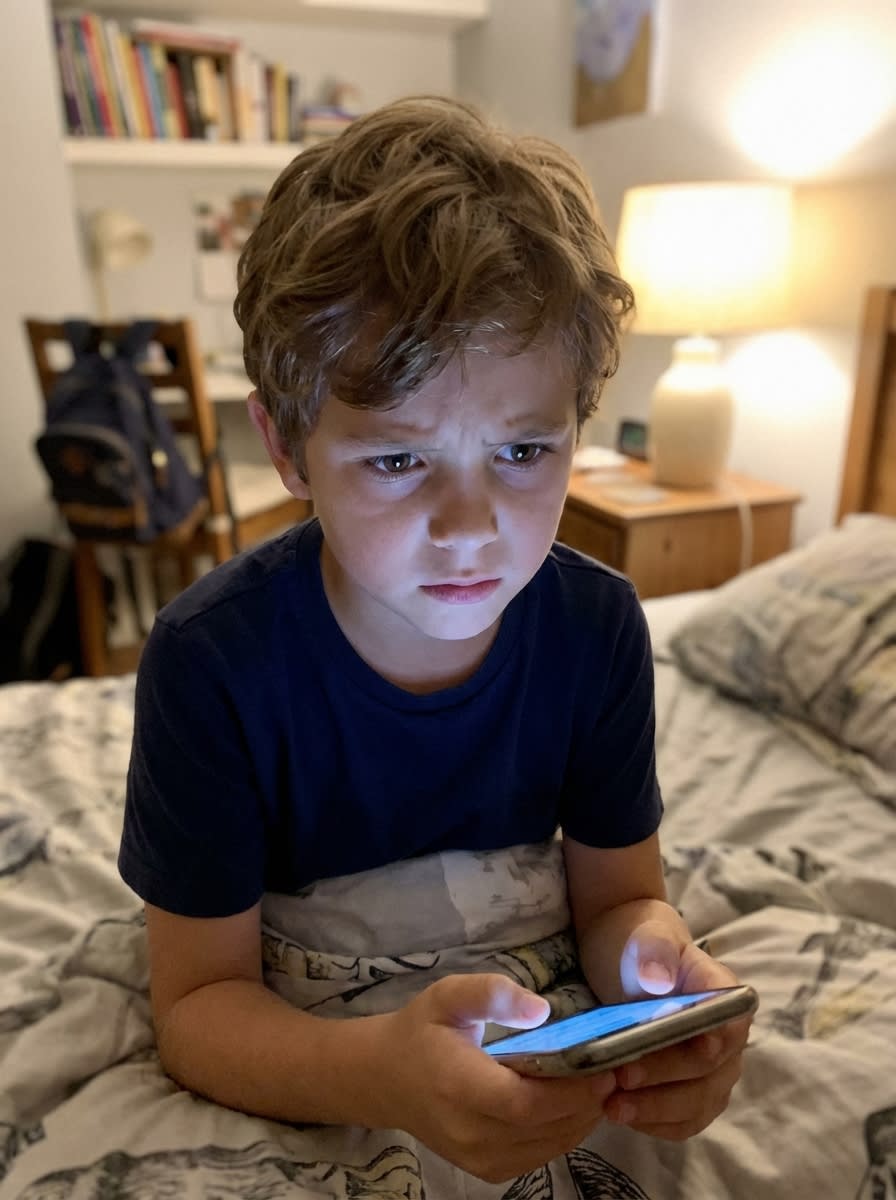
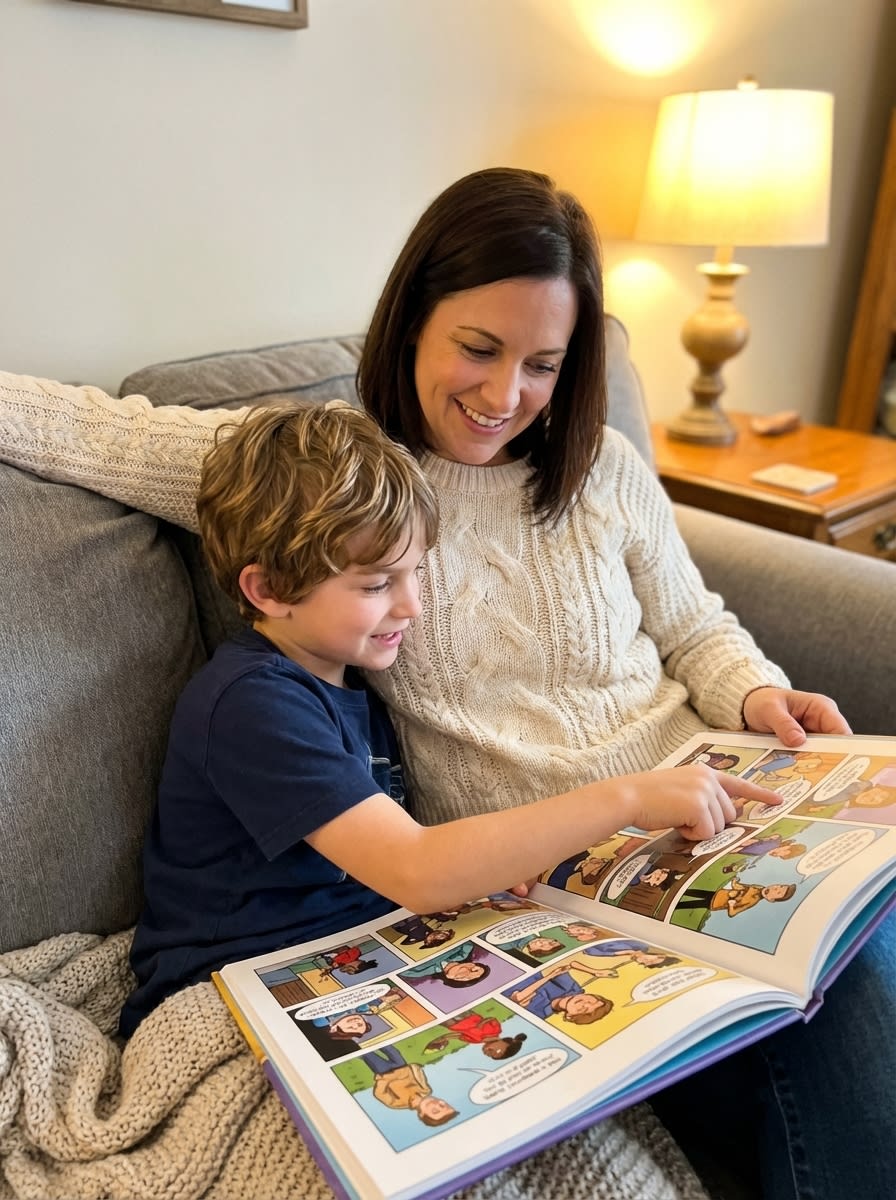
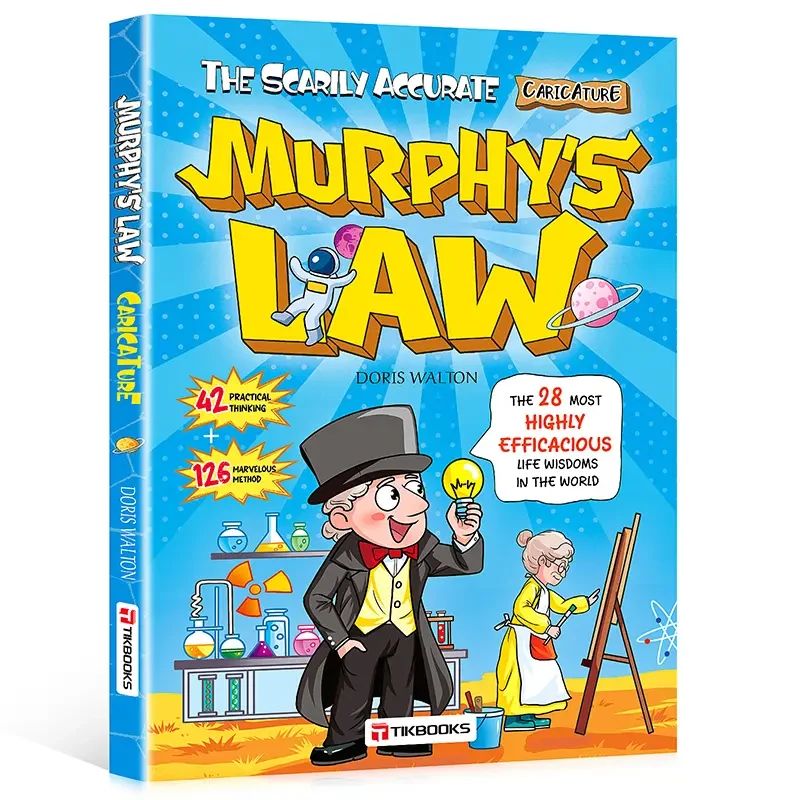
The window is closing
5. Ages 6–12 is when their brain is still listening to you. After that, it's their friends' turn.
There's a reason child psychologists call ages 6–12 the "critical formation window." This is when children's thinking patterns, decision-making habits, and social reflexes get wired in. After 12, those patterns harden. They don't disappear — they just become much harder to reshape.
This isn't about control. It's about giving your child mental tools while they're still open to receiving them from you. By the time peer influence fully takes over in adolescence, the tools need to already be installed.
That's why parents aren't buying Murphy's Law as a "nice gift." They're buying it as an investment in their child's ability to think independently — during the only window where that investment compounds.
"My son actually quoted it back to me"
Two weeks after reading it, my 9-year-old told me a kid at school tried to get him to trade his lunch for something he didn't want. He said, "That's like what happened in Murphy's Law, Mom." I nearly cried. He's thinking about it on his own now.
★★★★★
Jessica M. — Mom of two (ages 7 & 9)
"I wish I'd had this growing up"
I was a people-pleaser my whole childhood and it took me until my 30s to unlearn it. When I read this to my daughter, I realized I was giving her the tools I never had. The comic style makes it feel like entertainment, but the lessons are seriously deep.
★★★★★
Rachel K. — Mom of one (age 11)
"Finally, a book that doesn't just say 'be yourself'"
We've read every character-building book out there. This is the first one that actually explains the WHY behind peer pressure and manipulation. My kids get it now — not because I told them, but because the stories showed them.
★★★★★
Amanda T. — Mom of three (ages 6, 9, & 12)